top of page


Strength Isn’t Silence: Rethinking What It Means for Men to Cope
Many men have learned that coping means carrying on. You go to work, take care of your responsibilities and try not to let whatever is happening affect anyone else. You might exercise, keep busy, make a joke or tell yourself that other people have things worse. From the outside, this can look like strength. Inside, it can feel exhausting. There is nothing wrong with determination or wanting to handle difficulties independently. These qualities can help us through some incredi
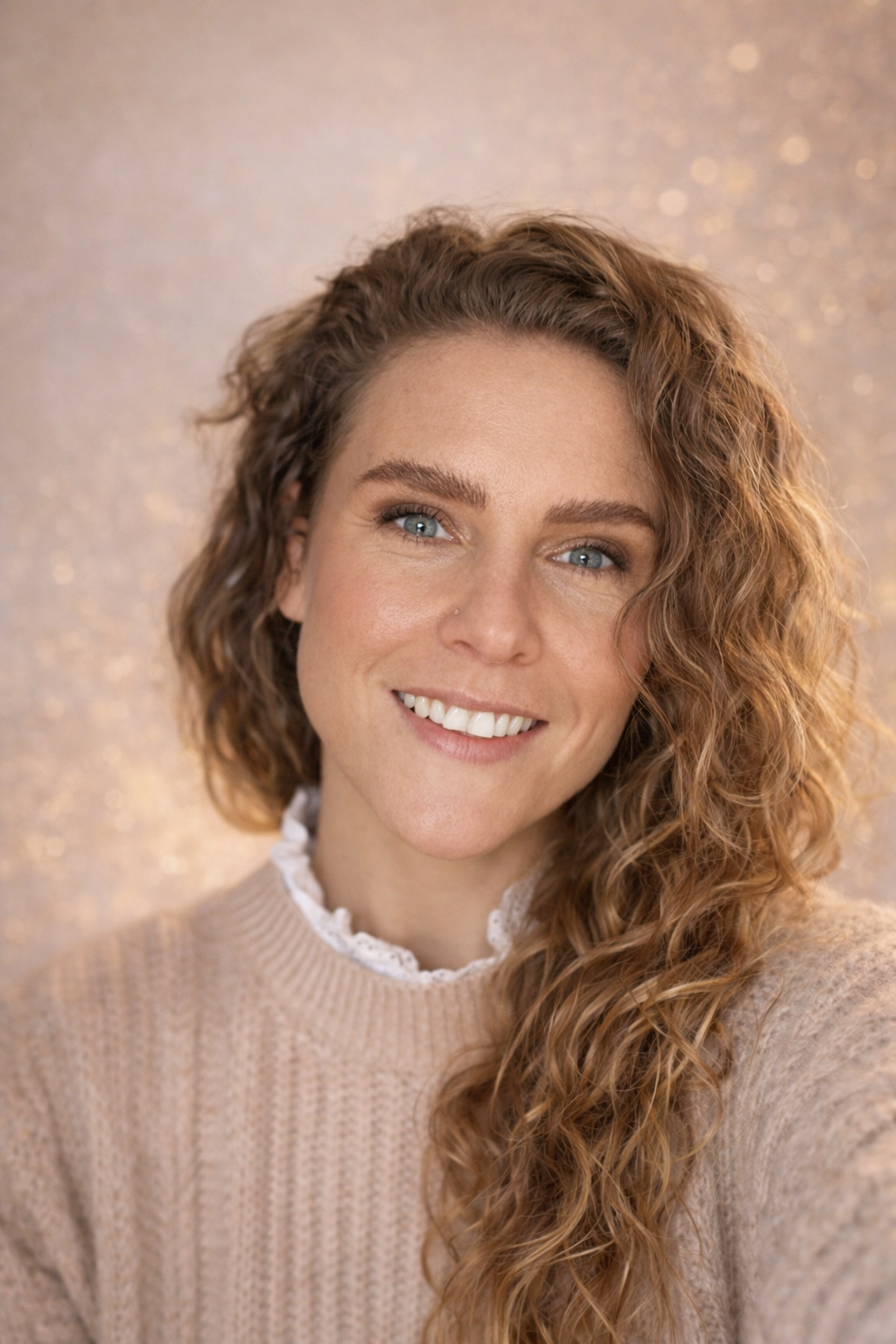
Katie Smith
Aug 112 min read


Being Part of the Team but Still Feeling Alone
Sport is often described as a place of friendship, connection and belonging. For many people, it is. Training alongside others, working towards a shared goal and being part of a club or community can create relationships that last for years. But it is also possible to be surrounded by people and still feel completely alone. You might train with the same group every week, share jokes and celebrate successes together, yet feel unable to tell anyone what is happening beneath the
Katie Smith
Aug 112 min read


Injury, Identity and the Fear of Losing the Person You Were
A sporting injury affects more than the body. Whether you run, cycle, swim, surf, lift weights or play as part of a team, sport can become closely connected to your identity. It may be where you feel most confident, capable and like yourself. It can provide structure, friendship, stress relief and something positive to work towards. When an injury suddenly takes that away, the emotional impact can be difficult to explain. Other people may see a painful knee, damaged shoulder
Katie Smith
Aug 112 min read


More Than a Bad Game: When Sporting Pressure Affects Your Mental Health
A disappointing performance can stay with you long after the match has ended. You replay the mistake in your mind. You think about what you should have done differently. You worry that you have let down your teammates, your coach or the people watching. For some people, the feeling passes. For others, sporting pressure can begin to affect how they see themselves. Sport can become closely connected to identity. You are not simply someone who plays football, rugby or another sp
Katie Smith
Aug 112 min read


“I’m Fine, Mate”: Why Men Can Find It So Difficult to Say They’re Struggling
“How are you?” “I’m fine, mate.” It is a conversation that happens every day. Sometimes it is true. Other times, “I’m fine” is simply the quickest way to avoid explaining something that feels impossible to put into words. Many men have grown up receiving messages about what strength should look like. Keep going. Deal with it. Don’t make a fuss. Don’t let people see that something has affected you. Even when nobody says these things directly, the message can still be learned t
Katie Smith
Aug 112 min read


When the Final Whistle Blows: The Mental Health Struggles We Don’t Always See in Sport
Sport can create connection, purpose and a sense of belonging. It can give us somewhere to go, something to focus on and people who feel like family. But being surrounded by teammates doesn’t always mean someone feels able to talk. In many sporting environments, people become used to pushing through. You play through discomfort, shake off mistakes and try not to let the team down. That determination can be a real strength—but it can also make it difficult to recognise when so
Katie Smith
Aug 112 min read


When identity becomes a collection of roles.
Roles give life meaning. Caring for people, raising a family or supporting others can be deeply important. The difficulty comes when your entire identity becomes attached to what you provide. You may begin to believe that your value lives in being needed, capable or selfless. This can happen when you took on responsibility early. Perhaps being helpful brought praise or reduced conflict. Maybe your own feelings were overlooked, so you became skilled at noticing everybody else
Katie Smith
Aug 104 min read


Healing Isn’t Becoming the Person You Were Before
changed. After trauma, loss, illness or a life-changing experience, people often talk about “getting back to normal”. You may desperately want to feel like the person you were before—the version of you who had more energy, trusted more easily, made plans without calculating the cost or moved through life without carrying this particular weight. It makes sense to miss that person. But healing does not always mean returning to who you were. Sometimes the old life cannot be recr
Katie Smith
Aug 104 min read


Why Setting Boundaries Can Make You Feel Like a Bad Person
You finally say no. For a moment, you feel relieved. Then the guilt arrives. You replay the conversation, worry that you sounded unkind and consider sending another message to explain yourself. You may feel responsible for the other person’s disappointment, even when your boundary was reasonable. If this happens to you, it does not mean you are bad at boundaries. It may mean you learnt that keeping other people happy was safer than expressing what you needed. Why boundaries c
Katie Smith
Aug 104 min read


Why Do I Freeze? Understanding Your Nervous System
Why Do I Freeze? Understanding Your Nervous System Imagine standing in front of someone you desperately want to respond to. Your mind is screaming, Say something! But nothing comes out. Or perhaps you receive an unexpected text and suddenly your stomach drops. Your heart races. Your thoughts disappear. You can’t think clearly, even though part of you knows you’re safe. Many people describe this as “falling apart” or “being weak". But what if it isn’t weakness at all? What if
Katie Smith
Aug 102 min read


When Being “The Strong One” Becomes Too Heavy
People often call you strong because they see how much you carry. They see the person who keeps going, finds a solution and checks that everybody else is okay. They may admire how capable you are without noticing what it costs you. What they may not see is that being the strong one was not always a choice. Sometimes it was the role you learnt to play because everything—or everyone—seemed to depend on you. When strength became survival Perhaps you learnt early that your feelin
Katie Smith
Aug 104 min read


Why Peace Can Feel Frightening After Trauma
You finally have a quiet day. Nothing is going wrong. Nobody is angry with you. There is no crisis waiting to be solved. And yet, instead of feeling peaceful, you feel unsettled. You may find yourself checking your phone, reading into somebody’s tone or waiting for the atmosphere to change. Your mind begins searching for the problem you must have missed. You might even create distance from something good because trusting it feels more frightening than expecting disappointment
Katie Smith
Aug 104 min read


Burnout: When You Have Been Carrying Too Much for Too Long
Burnout does not always arrive dramatically. Sometimes it creeps in quietly. You may notice that the things you usually manage suddenly feel much harder. Small decisions become overwhelming. Your patience feels thinner, your thoughts feel foggy, and even after resting, you still do not feel properly restored. You might tell yourself that you should be coping better. That you need to try harder, become more organised or simply push through. But burnout is not laziness. It is n
Katie Smith
Aug 104 min read


Living with Chronic Illness: The Things People Don’t Always See
Living with a chronic illness changes more than your body. It changes your plans. Your confidence. Your relationships. Sometimes, it changes how you see yourself. Whether you’ve been living with a chronic condition for years or you’ve only recently been diagnosed, there’s something I’d really like you to know… You are not lazy. You are not weak. You are not “making a fuss". And you’re certainly not failing because your body has limits. Living with a chronic illness means carr
Katie Smith
Jul 85 min read


What Does Counselling Actually Look Like?
What Does Counselling Actually Look Like? For many people, the thought of counselling can feel intimidating. You might wonder: “What will I have to talk about?” “What if I cry?” “What if I don’t know what to say?” “What if it’s awkward?” These worries are completely normal. The truth is, counselling isn’t about saying the perfect thing or having everything worked out before you arrive. Some people come with a clear reason for seeking support. Others simply know they aren’t fe
Katie Smith
Jun 81 min read


Anxiety Isn’t Just Worrying
Anxiety Isn’t Just Worrying When people hear the word anxiety, they often think of worrying. But anxiety can show up in many different ways. It can look like: Overthinking every conversation Finding it difficult to relax Feeling constantly on edge Struggling to switch off at night Expecting the worst to happen Feeling exhausted all the time Being highly self-critical Avoiding situations that feel overwhelming For some people, anxiety feels physical. A racing heart. Tightness
Katie Smith
Jun 81 min read


Why Do I Always Put Everyone Else First?
Why Do I Always Put Everyone Else First? If you’re reading this, there’s a good chance you’re the person everyone turns to. You’re the listener—the helper. The one who checks in on everyone else, remembers birthdays, solves problems and keeps going even when you’re struggling yourself. On the surface, it can look like you’ve got everything together. Inside, it can feel very different. Many people who constantly put others first were never taught that their own needs matter to
Katie Smith
Jun 51 min read


Do I Need to Be at Breaking Point to Start Counselling?”
You Don’t Have to Be at Breaking Point to Start Counselling Many people think they need to be in crisis before they reach out for counselling. They tell themselves they’re coping well enough, that other people have it worse, or that they should be able to manage on their own. Sometimes they wait until they feel completely overwhelmed before asking for support. The truth is, you don’t have to be at breaking point to benefit from counselling. You might be carrying stress that n
Katie Smith
Jun 52 min read
Welcome to the Blog.
This is a gentle space where I share thoughts, reflections and guidance that may support you between sessions or help you understand more about counselling. You're welcome to read whatever feels helpful and leave the rest.
bottom of page