When identity becomes a collection of roles.
Roles give life meaning. Caring for people, raising a family or supporting others can be deeply important.
The difficulty comes when your entire identity becomes attached to what you provide. You may begin to believe that your value lives in being needed, capable or selfless.
This can happen when you took on responsibility early. Perhaps being helpful brought praise or reduced conflict. Maybe your own feelings were overlooked, so you became skilled at noticing everybody else instead.
Over time, the question “Who am I?” becomes replaced by “What do people need me to be?”
Signs you may have lost touch with yourself
You might notice:
● Feeling uncomfortable when attention is on you
● Struggling to name your preferences
● Automatically adapting to other people
● Feeling guilty when you choose something for yourself
● Not knowing what you enjoy anymore
● Feeling empty when you are not busy
● Staying in roles or relationships because you fear becoming unnecessary
● Measuring your worth by productivity or usefulness
This does not mean there is no real you underneath. It means your own voice may have been quietened by years of listening for everybody else’s.
A question I know personally
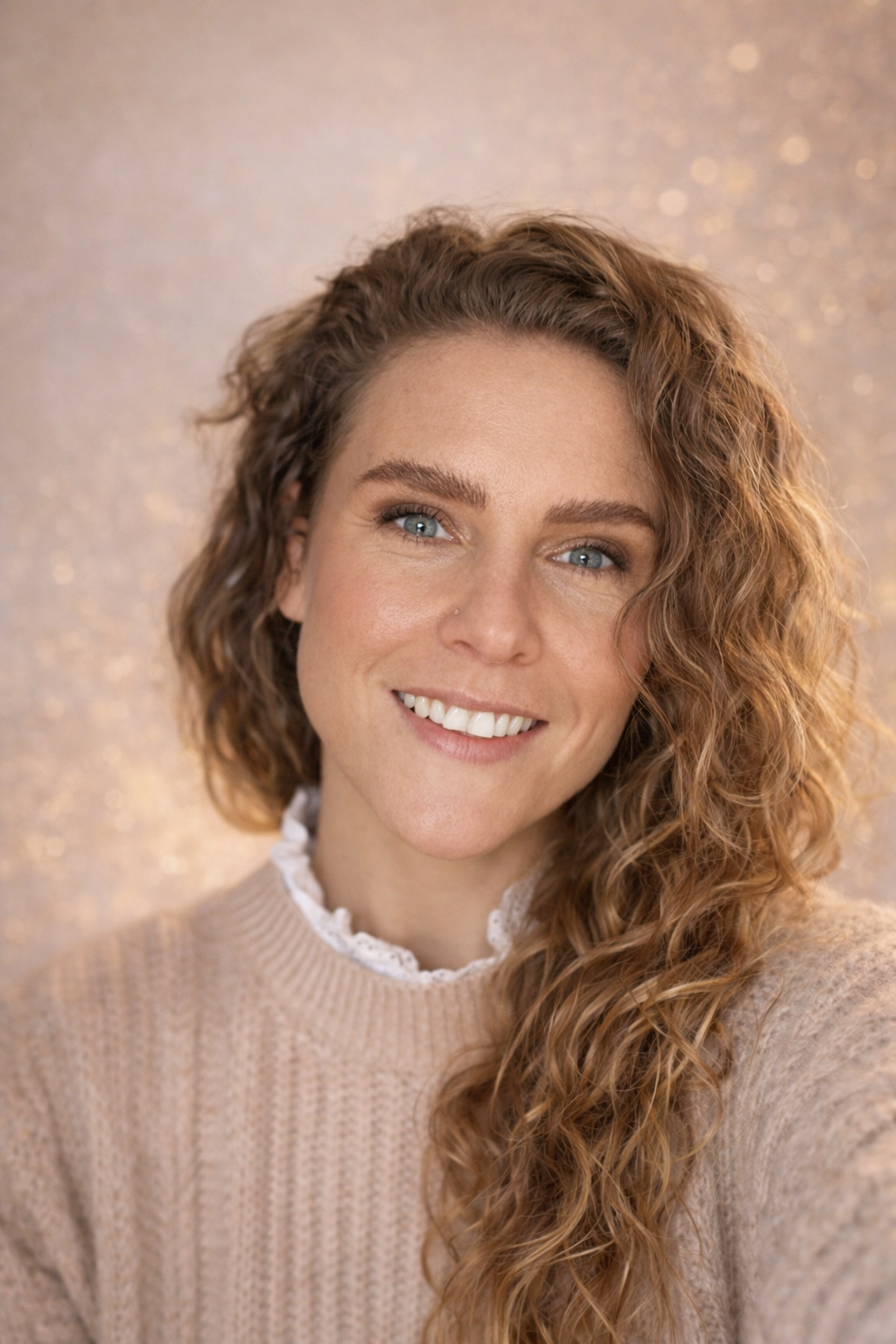
I have asked myself who Katie is outside all the roles I hold: mum, partner, helper, counsellor and business owner. I know how easy it is to build a life around what you do for other people and then struggle to recognise yourself underneath it all. I am still discovering that my worth is not measured by my productivity or usefulness—and that simply being me is enough.
Why being needed can feel safe
Being needed can provide reassurance. If you are useful, perhaps people will keep you close. If you meet every need, maybe nobody will become angry, disappointed or leave.
This can turn care into a form of protection. You may give before anybody asks, solve problems that are not yours and become anxious when somebody does not need your help.
The pattern is understandable. But it can leave you exhausted and surrounded by relationships in which you are known for what you do rather than who you are.
What happens when life becomes quieter?
Changes in family, work, health or relationships can unsettle a role-based identity. Children become more independent. A job ends. Illness limits what you can do. A relationship changes.
Without the familiar role, you may feel grief, restlessness or a frightening sense of emptiness.
This can be mistaken for proof that you have no identity. More often, it is the uncomfortable beginning of meeting parts of yourself that have had very little room.
Rediscovering yourself gently
You do not need to produce a grand answer to “Who am I?”
Begin with curiosity rather than pressure.
Notice small preferences:
● Do I want quiet or company?
● What colours, music or places draw me in?
● What makes time feel softer?
● What did I enjoy before everything became about responsibility?
● What have I wanted to try but dismissed as impractical or selfish?
Your answers may change. That is allowed. Identity is not a fixed description you must get right; it is a relationship you continue building with yourself.
Learning to tolerate not being needed
When somebody solves their own problem or chooses another source of support, you may feel rejected even when no rejection has occurred.
Pause and notice the story underneath. Does not being needed become not being wanted? Does somebody’s independence make you fear becoming unimportant?
You can be loved for your presence, humour, honesty, warmth and humanity—not only for what you fix.
Healthy connection does not require one person to remain depleted so the other can remain supported.
Worth that does not have to be earned
This may be the hardest part: learning that you matter when you are doing nothing for anybody.
You matter when you rest. You matter when you say no. You matter when you are confused, unproductive or in need of care yourself.
Your worth is not a wage paid in exchange for usefulness.
Meeting the person beneath the roles
You do not need to abandon the people you love or reject the roles that matter to you. The aim is to make room for the person inside them.
You can be a parent and still have dreams that belong only to you. You can be supportive without becoming responsible for everybody. You can love being needed while knowing it is not the source of your value.
Perhaps discovering who you are does not begin with a dramatic reinvention.
Perhaps it begins with one small question: What would feel kind to me today?
Then, little by little, you listen for your own answer.
Awaken Counselling & Therapy
Helping you heal, grow and awaken to new possibilities.
If you feel lost beneath the roles you carry, counselling can offer a space that belongs to you. I offer a free initial chat to see whether working together feels right.


Comments